Secondhand to Superpowered: Voice-Ready Home Pieces

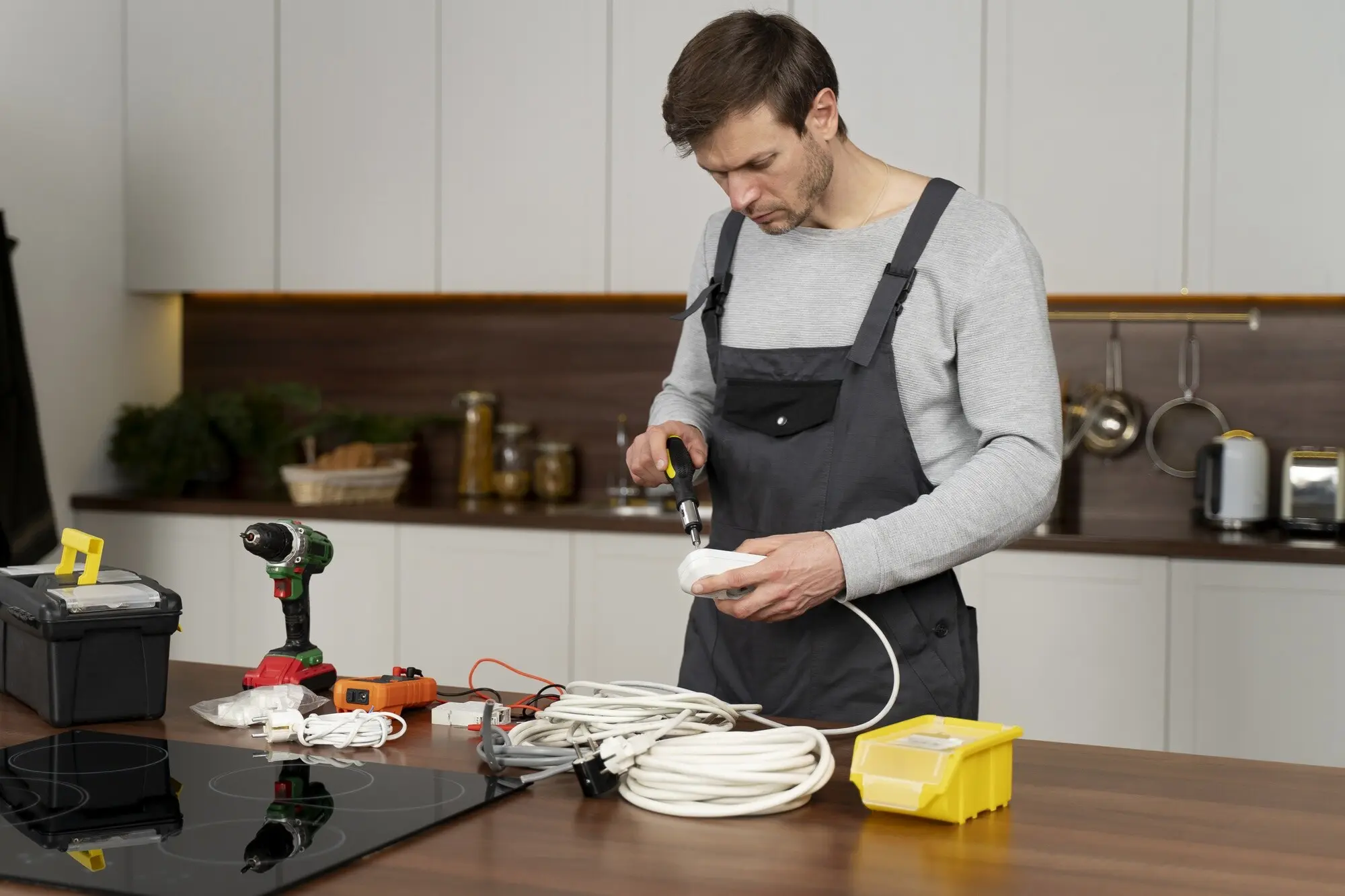
Join us as we transform thrifted furniture into voice-controlled smart decor that saves money, reduces waste, and fills your rooms with responsive charm. You will learn how to source sturdy pieces, hide electronics elegantly, protect privacy, and design voice interactions that feel effortless. Share your finds, ask questions, and subscribe to follow builds that turn forgotten wood, brass, and fabric into attentive companions ready to listen, respond, and support your everyday routines with grace.

Hunting, Assessing, and Imagining Potential

Great results begin before a single wire is run. The best future smart decor starts as furniture with honest bones, repairable joinery, and a story you want to honor. Learn to spot real wood over veneer, check for wobble, sniff out water damage, and visualize where power, sensors, and speakers could live invisibly. A few practiced tests at the thrift store can spare hours later and preserve the character you fell in love with.

Where to Find Worthy Candidates

Thrift stores and charity shops are only the beginning. Estate sales, neighborhood curb alerts, university surplus auctions, and online classifieds often hide solid hardwood gems under scuffed finishes. Visit midweek mornings, bring a flashlight and tape measure, and keep sample smart modules in your bag to gauge fit. Photograph joinery and underside panels to imagine mounting locations later. When something feels overbuilt and underpriced, you have likely discovered a future conversation starter.

Structural Soundness Before Cleverness

Test corners for racking by gently pushing diagonally and watching for flex. Inspect drawer runners for wear you are willing to fix. Confirm tops are thick enough to accept concealed fasteners, and legs can bear any added hardware weight. If a shelf bows under mild pressure, reinforce or pass. Clever electronics cannot redeem unsafe structure. Your voice-controlled upgrades should feel invisible because the piece itself is trustworthy, quiet, and grounded every time you touch or move it.
Planning the Voice-First Experience

Before drilling or soldering, design how people will live with your upgraded piece. What words feel natural to say from across the room, and what feedback confirms success without stealing attention? Map use cases by time of day, think about guests who do not know your setup, and prepare graceful fallbacks when the network hiccups. Intentional planning creates that magical, I cannot believe this is secondhand moment every time a simple phrase sets a scene in motion.

Concealing Tech Without Compromising Craft

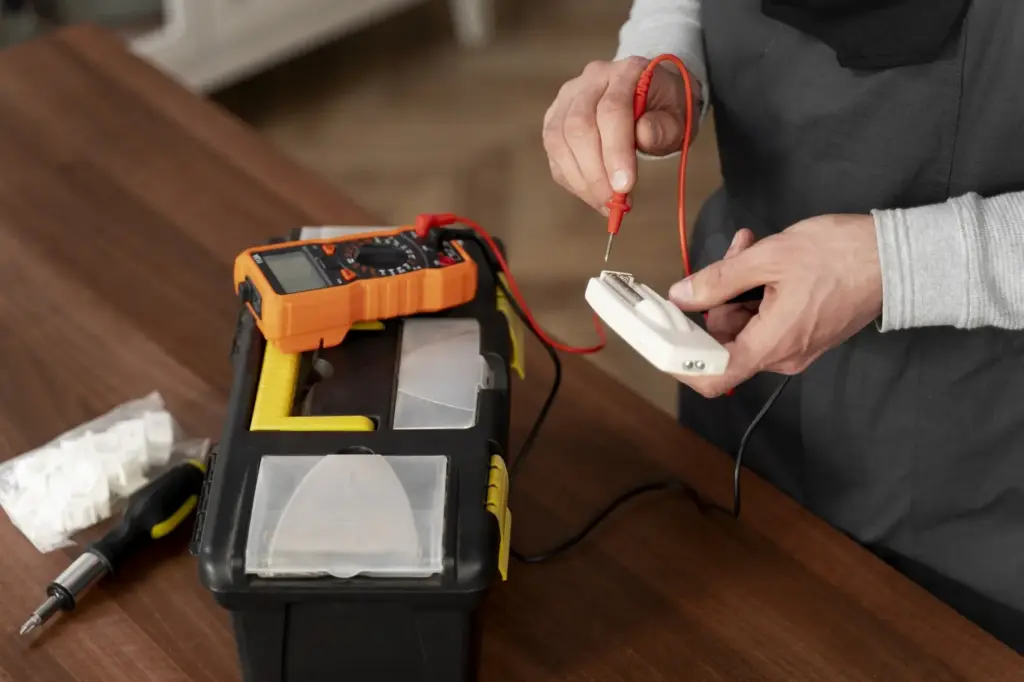
The heart of a convincing upgrade is invisibility with intention. You will route power discreetly, isolate vibrations, manage heat, and maintain serviceability. Whenever possible, mount electronics to reversible panels so the original piece remains respected. Use existing cavities, false backs, or gentle risers to host modules, and plan wire paths that follow grain lines or existing seams. The result looks unmodified from across the room yet opens easily when you need to tweak code or replace components.

Finishes, Materials, and Touchpoints

Finishing choices influence wireless performance, durability, and daily comfort. Some metallic paints can attenuate Wi-Fi or Bluetooth, while thick lacquer may dampen capacitive touch. Favor breathable finishes on surfaces hiding speakers or radios, and choose fabrics that clean easily without muffling sound. Ergonomics matter too: knobs, pulls, and edges should invite use without instruction. The most successful upgrades feel obvious under hand, seamless under eye, and quietly resilient under the inevitable spills, fingerprints, and celebratory toasts of home life.
Water-based poly and hardwax oils often play nicely with radio signals compared with heavy metallic pigments. If you plan to hide antennas under a top, test signal strength before final coats. Gel stains can revive blotchy veneer without saturating thin layers. When matching mid-century tones, experiment with amber shellac as a barrier coat under polyurethane. Above all, keep finish thin where microphones or touch sensors live, and leave discreet raw patches under hidden panels to preserve sensitivity and repairability.
Speaker cloth with high acoustic transparency doubles beautifully as an elegant dust screen for hidden LEDs and sensors. Choose removable cushion covers when embedding occupancy sensing in benches, and avoid shaggy textures that confuse infrared. Wool blends resist stains and breathe, while performance polyester forgives pets and parties. Plan maintenance from day one: stash a care card inside a drawer, recommend cleaning intervals, and include fabric swatches. Technology survives longer when upkeep is simple, obvious, and pleasantly routine.
Voice control should not remove tactile cues. Place any manual overrides where hands naturally land, reinforce edges for confident pulls, and keep frequently accessed compartments at waist-to-chest height. Invisible labels matter too: add subtle icons on interior lips or underside panels so guests can discover light switches without embarrassment. Consider color temperature and brightness where fingers work, ensuring eyes relax at night. Thoughtful ergonomics bridge vintage charm and modern ease, transforming novelty into a dependable, everyday companion.

Automation That Earns Its Keep

A brilliant retrofit whispers help at the exact right moments. Instead of complex scenes you never use, craft a small set of dependable automations that respect context, time, and mood. Build voice phrases that feel obvious, design fallbacks that always work by touch, and quietly log performance for future tweaks. The measure of success is not cleverness; it is when your reused cabinet, lamp, or console simply disappears into the flow of mornings, milestones, and movie nights.

Lighting Scenes Hidden in a Lamp

Inside a thrifted floor lamp, tuck a Matter-compatible dimmer and warm LEDs, then map Good evening to fade gently from hallway to reading nook over five minutes. A midnight pathway scene can respond to a quiet phrase, lowering brightness below waking-thresholds. Add a capacitive touch ring under the base as a respectful backup. Over time, review automations and prune the ones you ignore. Reliability beats breadth, and one perfect scene outshines twenty clever but forgotten routines.

Furniture That Protects and Reminds

An entryway console can sense motion after sunset and whisper a reminder if the porch door was left unlocked, or light a drawer where keys wait. Tie gentle voice prompts to weather alerts so umbrellas emerge before storms. Keep data local where possible, and offer an obvious privacy mute. The point is care, not nagging. When reminders feel like considerate companionship, your rescued furniture stops being decor and starts being a calm, reassuring presence that watches your back.

Safety, Testing, and Longevity

Beauty lasts only when safety leads. Treat mains voltage with humility, respect clearances, and never trap heat. Fuse low-voltage lines, strain-relieve every exit, and ground metal parts properly. Test for weeks before daily use, watching logs, temperatures, and command success rates. Document wiring and code inside the piece so future repairs are kind. With thoughtful care, your smart secondhand treasure will endure moves, firmware cycles, and holiday chaos while continuing to respond like a trusted, attentive friend.
Narikentodarilaxizavoviro
Privacy Overview

This website uses cookies so that we can provide you with the best user experience possible. Cookie information is stored in your browser and performs functions such as recognising you when you return to our website and helping our team to understand which sections of the website you find most interesting and useful.