Revive, Retrofit, and Save: Smarter Energy with Refurbished Controls

Start Where It Matters Most
Audit Your Loads Without Fancy Tools
Walk your home with a notepad and a timer, listing devices that glow, hum, or stay warm when idle. Borrow a plug‑in meter or use a smart plug with energy monitoring to capture weekday versus weekend patterns. Fifteen minutes per room reveals power leaks hiding in entertainment corners, chargers, and networking gear. This calm, curious walkthrough often uncovers surprisingly easy opportunities, like scheduled shutdowns, occupancy‑based lighting, and plug groups that sleep when nobody is around.
Choose Refurbished Gear With Confidence
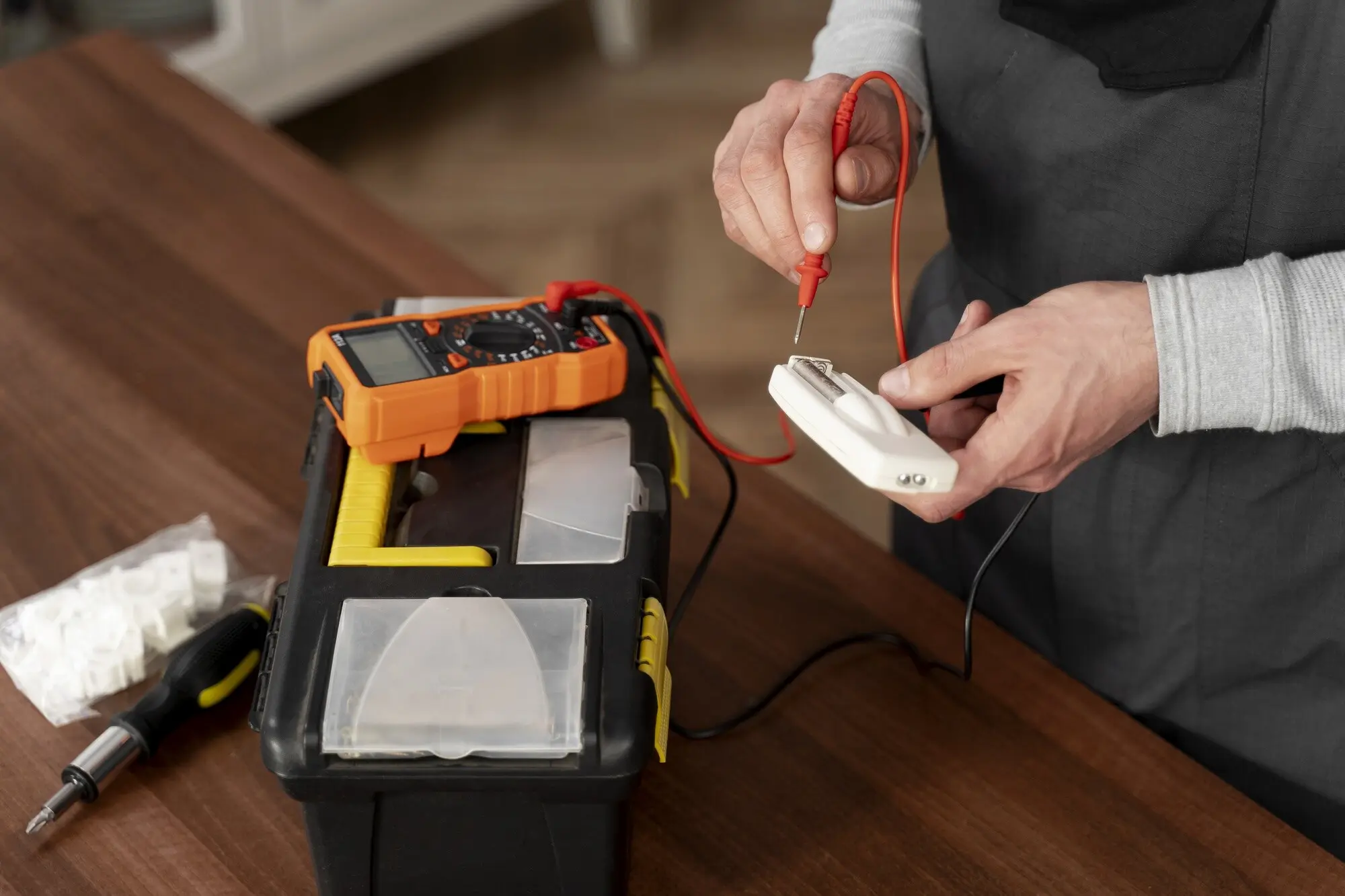
Refurbished does not mean compromised; it means inspected, reset, and ready. Favor vendors who list firmware versions, accessories, and safety marks, and who provide return windows for peace of mind. Check community forums for pairing tips on your preferred Zigbee, Z‑Wave, Thread, or Wi‑Fi platforms. Buy one extra unit as a spare for rapid swaps. With a short checklist—factory reset, clean terminals, stable pairing—you gain quality hardware at lower cost while keeping valuable materials in circulation.
Pick Battles That Pay Back Fast
Prioritize devices with predictable schedules, measurable waste, and clear comfort boundaries. Entertainment centers, spare‑room lighting, and office gear usually deliver quick wins because downtime is obvious and automation rarely annoys anyone. Space heaters, dehumidifiers, or heat‑tape require extra caution, failsafes, and approvals, yet can still save when paired with sensors and guardrails. Start simple, celebrate clear reductions, and expand steadily, so every new plug, switch, or sensor rides the momentum of earlier victories.
Safe, Clean, and Ready to Install
{{SECTION_SUBTITLE}}

De‑energize, Verify, and Double‑Check Polarity

Commission Like a Pro, Even in a Rental

Occupancy and Vacancy Routines That Actually Work
Use motion plus ambient light to cut lighting only when a room is bright enough from daylight, avoiding annoying dark surprises. Add a short exit grace period, then shut down task lights, fans, or desk gear. For rooms with intermittent activity, pair contact sensors on doors with conservative timers. Provide obvious wall controls so a tap always overrides automation. Over time, fine‑tune sensitivity and delays based on feedback, reducing frustration while capturing dependable, repeatable savings daily.
Schedules That Bend, Not Break, Your Habits
Create time blocks that reflect actual routines, like quiet overnight hours or daytime work blocks. Layer gentle dimming before shutoff, and send a subtle notification before a plug sleeps. Weekends deserve separate logic, and guests need a temporary mode that relaxes limits. Seasonal adjustments matter too: winter evenings want warmer scenes at lower brightness. By honoring human patterns and offering easy opt‑outs, schedules become supportive companions rather than rigid rules people learn to fight.
Cross‑Device Logic for Bigger Wins
Link sensors and plugs so a single event causes multiple low‑friction savings. When the last person leaves, power down media gear, darken non‑essential lights, and sleep the networking corner except the router. During peak alerts, dim hallway lighting, pause noncritical chargers, and limit space heaters to safe, verified duty cycles. Add weather‑aware conditions and occupancy confidence levels to prevent false positives. Thoughtful cross‑device rules transform scattered devices into a calm, coordinated system that clips waste gracefully.

Before/After With Honest Baselines
Record at least a week of status quo, noting workdays, sleep hours, and unusual events. Tag high‑variance days so they do not skew judgment. After deploying changes, collect the same window again. Compare average watt‑hours and runtime, and annotate observations. Even a simple spreadsheet gives clarity, especially when combined with screenshots from your hub. Honesty during baselining prevents wishful thinking and anchors decisions in reality, turning every improvement into shared knowledge rather than hazy impressions.
Dashboards That Tell a Story, Not Just Numbers
Group devices by purpose—comfort, safety, and convenience—so savings appear in context. Chart standby draw by room, overlaying occupancy events, sunrise, and bedtime. Highlight automations that saved the most minutes or watt‑hours this week. Invite housemates to star their favorite routines and flag annoyances. A narrative dashboard empowers everyone to participate, not just the installer. When people see their daily moments reflected, they naturally propose better schedules, brighter ideas, and kinder compromises that keep savings sustainable.
Small Experiments, Big Confidence
Run A/B weeks where only one variable changes: timer length, motion sensitivity, or dimming curve. Keep the experiment lightweight and reversible. Share the plan with housemates and ask for feedback tied to comfort and convenience. When the result is clear, lock it in and move to the next test. This scientific yet friendly cadence shrinks risk, speeds learning, and builds trust in refurbished devices, proving that careful iteration can outperform massive purchases or disruptive retrofits.
Security, Privacy, and Durability
Money, Carbon, and Community

Costs, Payback, and Creative Funding
Break a project into tiers: quick plug‑in wins this month, deeper switch upgrades next quarter, and sensor‑driven refinements after that. Use savings from early changes to fund later ones. Ask your utility about rebates or demand response incentives. Track equipment, time, and outcomes to calculate realistic payback. When numbers are visible, decision‑making becomes calmer. The costs make sense, the benefits compound, and you feel confident sharing your roadmap with housemates, managers, or community groups.
Circular Gains: Extending Product Life
Break a project into tiers: quick plug‑in wins this month, deeper switch upgrades next quarter, and sensor‑driven refinements after that. Use savings from early changes to fund later ones. Ask your utility about rebates or demand response incentives. Track equipment, time, and outcomes to calculate realistic payback. When numbers are visible, decision‑making becomes calmer. The costs make sense, the benefits compound, and you feel confident sharing your roadmap with housemates, managers, or community groups.
Scale From One Room to a Movement
Break a project into tiers: quick plug‑in wins this month, deeper switch upgrades next quarter, and sensor‑driven refinements after that. Use savings from early changes to fund later ones. Ask your utility about rebates or demand response incentives. Track equipment, time, and outcomes to calculate realistic payback. When numbers are visible, decision‑making becomes calmer. The costs make sense, the benefits compound, and you feel confident sharing your roadmap with housemates, managers, or community groups.
All Rights Reserved.