Living in Loops: Connected Homes Reimagined with Upcycled Design
Today we explore circular interior design for connected homes using upcycled materials, uniting smart automation with resource-savvy creativity. Imagine rooms that sense your habits, reduce waste, and highlight reclaimed beauty while quietly extending the life of every surface. We’ll share pragmatic methods, heartfelt stories, and measurable wins that make circular choices irresistible. Join the conversation, ask questions, and add your own experiments—together we can build homes that feel future-ready, emotionally resonant, and wonderfully repairable.
A Circular Mindset That Turns Houses Into Material Stewardships
Shifting from linear consumption to circular living begins with curiosity about each object’s past and future. Instead of discarding, we catalog, repair, and repurpose. Connected devices help track condition, while design decisions prioritize longevity and graceful aging. This approach reduces embodied carbon, cultivates personal attachment to materials, and strengthens resilience. By reframing interiors as evolving ecosystems rather than fixed sets, we create a living archive of care, memory, and possibility. Share what you’ve salvaged, how you’ve documented it, and what you plan to pass forward.
Closing the Loop at Home
Start by assessing what already lives in your rooms: wood with hidden stories, textiles waiting for a second act, and fixtures ready for an intelligent refresh. Map these items with simple tags, photos, and IoT notes. When needs change, swap, reconfigure, or donate through local networks. This home-scale loop protects budgets, cuts waste, and turns everyday adjustments into meaningful stewardship. Your living room becomes not a landfill’s waiting room, but a workshop of renewal where every decision preserves value and narrative.
Material Passports for Daily Clarity
Create a material passport for each significant item, noting its origin, composition, finishes, repair steps, and recycling pathways. A QR sticker linked to a shared spreadsheet or app makes details available during moves or maintenance. With connected sensors, you can also log humidity exposure, surface wear, and cleaning history. This lightweight documentation helps future you, future owners, and even neighbors who might reuse your pieces. Clear records reduce guesswork, eliminate unsafe choices, and unlock charming origin stories that make guests ask, and you proudly answer.
Design Decisions Guided by Longevity
Think beyond first impressions to choose finishes, fabrics, and fixtures that welcome repair, refinishing, and modular updates. Prioritize reversible assembly, standardized dimensions, and robust edge details. In connected homes, pair those decisions with usage analytics to detect stress points early. When a hinge creaks or a finish dulls, maintenance prompts arrive before minor damage spreads. Over time, the interior matures gracefully instead of becoming obsolete, building emotional richness and financial prudence in the same stroke, and proving beauty grows stronger when designed to endure.
Smart Systems That Respect Materials and Reduce Waste
Connected homes are frequently sold as gadgets, yet their quiet superpower is conservation. Sensors dim lights precisely, nudge ventilation toward healthier baselines, and time heating for real occupancy rather than assumptions. Automation reduces strain on finishes by balancing sunlight, moisture, and temperature. Predictive alerts favor timely repairs over replacements, keeping treasured, upcycled pieces in circulation longer. As data reveals gentle ways to live, your home starts feeling intentional and calm. Share your automations, ask questions, and fine-tune together—we’re building a commons of better habits.
Upcycled Beauty: Materials With History and High Performance
Upcycling is not a compromise; it’s craftsmanship with a head start. Reclaimed timbers, remilled floorboards, and remnant textiles bring patina, density, and resilience that new materials often imitate poorly. When paired with thoughtful design and smart management, they outperform expectations while radiating human warmth. You’ll transform constraints into character, substituting landfill fate with laughter-filled dinners and quiet, enduring comfort. Share sources, swap tips, and tell the story behind that coffee table—it might help a reader recognize treasure in the pile they almost overlooked.
Design for Disassembly, Reconfiguration, and Lifelong Upgrades
Circular interiors anticipate change. Modular furniture, reversible joints, and standardized hardware mean today’s shelving can become tomorrow’s room divider without tears or dumpsters. Connected homes enhance this agility by mapping parts, documenting torque settings, and logging assembly diagrams. When life shifts—new family member, remote work pivot, or downsizing—you’ll adapt gracefully. This mindset avoids sunk costs and end-of-life confusion. It proves that flexibility is the ultimate luxury, especially when it preserves the soul of materials you’ve already come to love and trust.

Fasteners That Forgive Mistakes
Avoid permanent glues and brittle joins. Favor threaded inserts, cam locks, knock-down fittings, and visible, beautiful hardware that invites unscrewing without damage. A shared parts bin, labeled and inventoried, prevents wasteful repurchasing. Add QR codes under shelves linking to exploded diagrams and recommended torque. When a bracket loosens, a notification helps you fix it in minutes. You don’t fear reconfiguration, you welcome it, knowing each change keeps the system alive and worthy. Design that forgives becomes design you actually use and keep.
Layouts That Evolve Without Drama
Build rooms around movable modules—storage towers on hidden casters, desks that dock, lighting rails that clip. Smart presence sensors and tunable lighting scenes travel with arrangements, protecting upcycled finishes from hot spots or shadows. As needs change, a Saturday afternoon suffices to reshape zones for focus, play, or guests. Nothing feels temporary; it feels agile. Your home becomes a stage set that honors its materials, your energy, and the stories still waiting to be told in corners newly found and loved.

Digital Twins for Everyday People
A simple home map in a notes app or design software—annotated with dimensions, hardware types, and materials—acts like a friendly digital twin. Add photos of joints before panels close, and you’ll remember hidden paths and load-bearing facts. Pair with sensor summaries to spot patterns: the shelf that sags in August, the plant corner that needs more light. This isn’t sci-fi; it’s a shared memory helper. With it, repairs take hours, not weekends, and you make upgrades confidently, preserving what matters and improving what doesn’t.
Air That Loves Your Lungs and Furniture
Choose low-emission sealers and gentle cleaners that respect both your lungs and sensitive vintage finishes. Pair them with CO2, VOC, and humidity sensors to tune ventilation when windows alone can’t. Link alerts to habits: shoes-off, slower drying cycles, microfibre dusting. When metrics drift, small responses keep everything comfortable and durable. The payoff is fewer headaches, brighter textiles, and wood that behaves. Healthy air isn’t a luxury add-on; it’s the baseline that lets circular interiors shine without compromise or hidden trade-offs for style.
Fire Safety for Reclaimed and Remixed Pieces
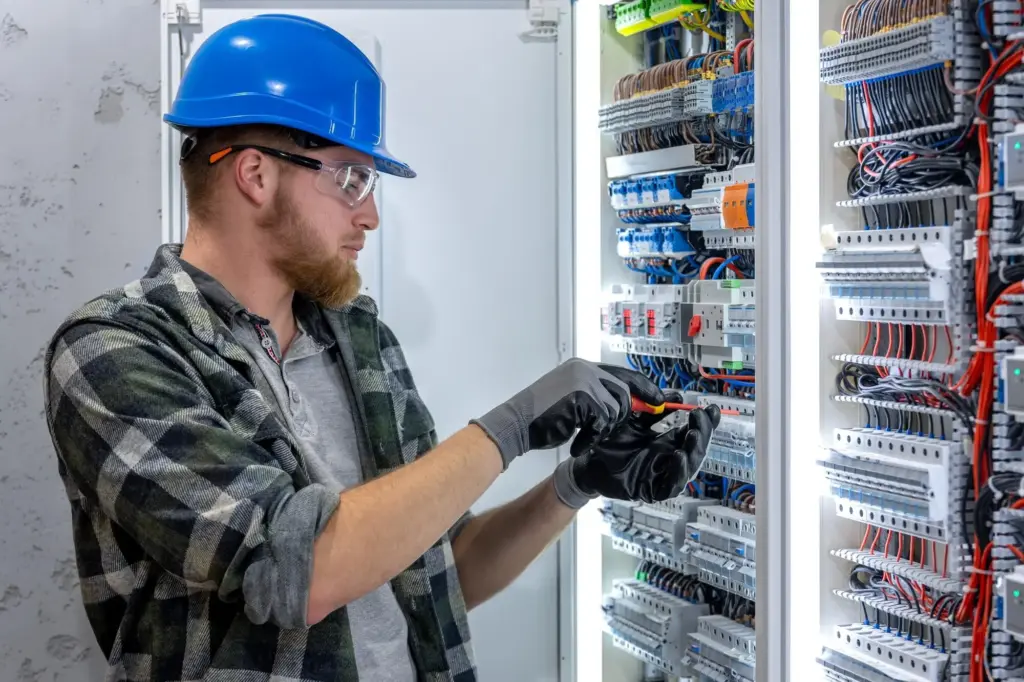
Assess wiring in refitted lamps, confirm proper strain reliefs, and add certified drivers and fuses. For wood near heat sources, incorporate shields and maintain safe clearances. Check labels on fabrics and consider natural fire-retardant strategies like wool blends and denser weaves. Document tests and approvals in your material passports. This diligence safeguards stories as much as people, proving that careful craft meets modern standards. Guests will notice confidence, not anxiety, and you’ll rest easier knowing rescue plans were designed into the room on purpose.
Truthful Testing Beats Wishful Thinking
Track how finishes resist spills, how joints tolerate moves, and how textiles survive the sun. Keep photos and short notes connected to each piece, then adjust care routines accordingly. Honest evaluation turns disappointment into progress and upgrades into learning. Share results with the community: which oil held color, which bracket squeaked, which routine worked. This culture of transparency empowers better decisions and accelerates circular adoption. The home becomes a helpful lab, and your findings might save someone else a mistake tomorrow.
Budgets, Impact, and Stories That Stick
Return on Care, Not Just Investment
Calculate avoided purchases, maintenance hours saved by predictive nudges, and energy trimmed by precise automation. Then add the priceless: the joy of a repaired heirloom desk, or the serenity of textiles softened by many lives. Budgets that include sentiment help decisions land with the whole household. Share your spreadsheet template, and we’ll iterate together. When care is counted, value becomes visible, making the case for circularity not as sacrifice, but as practical abundance that compounds over seasons rather than evaporating after the unboxing moment.
A Small Apartment That Chose Renewal
In a 48-square-meter rental, a couple remilled pallet boards into a fold-down dining station, tagged each piece with QR notes, and linked lights to occupancy. Utility costs dropped, scratches read like signatures, and weekend repairs felt celebratory. When a job change came, the station converted into shelving, leaving the wall intact. Their story spread through the building, sparking a swap night where neighbors exchanged hardware, brackets, and fabric trims. One decision seeded a culture, proving circular living scales through friendship and repeatable wins.
Community, Makers, and the Joy of Shared Tools
Join local tool libraries, maker spaces, and online groups that trade offcuts, fasteners, and advice. Hosting a monthly repair hour builds momentum far faster than solo efforts. Post before-and-afters, material passport templates, and automation recipes that protected your finishes. Others will remix and improve them, and you’ll learn new tricks in return. This reciprocity lowers costs, prevents waste, and makes homes feel less isolated. Subscribe, comment, or send a message about your next project—we’ll cheer, troubleshoot, and celebrate the loop closing together.
All Rights Reserved.